Cross-Border Data Sharing Protocols Between Tribal Operators and Commercial Platforms Reshaping Tournament Structures for Digital Card Play Under Regional Oversight
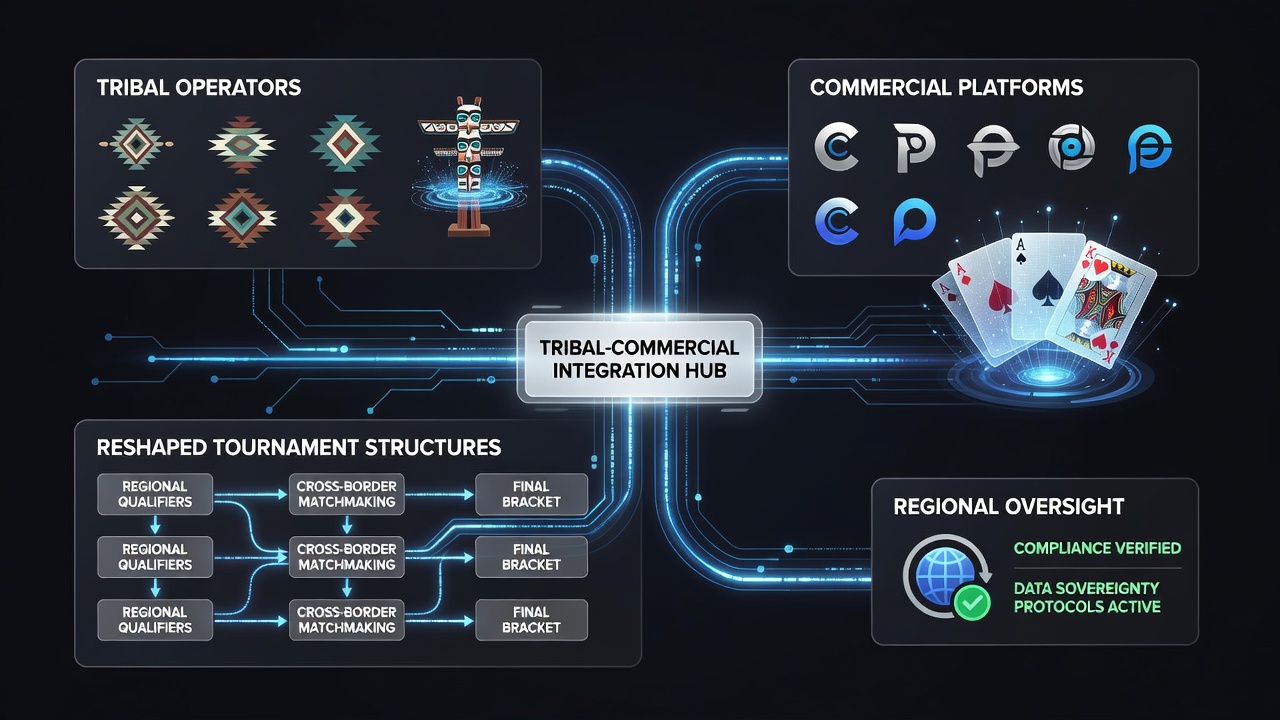
Cross-border data sharing protocols have emerged as a central mechanism linking tribal operators with commercial platforms in digital card play, and these arrangements continue to alter how tournaments operate across multiple jurisdictions. In June 2026 regulators in several regions documented expanded use of standardized data exchange frameworks that permit player information, game logs, and financial records to move between sovereign tribal lands and state-licensed commercial servers while remaining subject to local oversight rules.
Core Elements of the Protocols
Protocols typically require encrypted transfer of player verification data, real-time gameplay telemetry, and transaction histories through application programming interfaces that both tribal operators and commercial platforms must maintain. Data fields include age confirmation records, self-exclusion lists, and session-level betting activity, yet each jurisdiction retains authority to set retention periods and access restrictions. The National Indian Gaming Commission maintains guidelines that tribal operators reference when drafting agreements, and these documents emphasize audit trails that allow regional authorities to review cross-border flows without direct server access.
Commercial platforms integrate the same protocols through compliance modules that map tribal data standards onto their existing systems. This mapping process supports tournament formats in which participants located in tribal jurisdictions compete alongside players regulated by state gaming commissions. Prize pools funded from multiple sources now flow through shared ledgers that reconcile contributions according to pre-agreed allocation formulas.
Changes to Tournament Structures
Tournament operators have adjusted registration windows, seating algorithms, and payout schedules to accommodate the data synchronization requirements. Events scheduled for late June 2026 incorporated mandatory data handshakes at fixed intervals, ensuring that any player flagged under one jurisdiction's responsible gaming rules receives consistent treatment across all participating platforms. Observers note that these adjustments have produced larger average field sizes because eligibility checks now occur through unified verification layers rather than separate regional queues.
Multi-table tournaments increasingly rely on centralized random number generators whose outputs are logged simultaneously on tribal and commercial servers. This dual logging satisfies regional oversight bodies that demand independent verification of game integrity. One documented series in the Pacific Northwest expanded its participant cap by 18 percent after implementing the shared protocol, because the system eliminated redundant identity checks that previously delayed entry.

Regional Oversight Mechanisms
State gaming commissions in the western United States coordinate with tribal regulatory agencies through memoranda that specify data access windows and dispute resolution procedures. These agreements reference technical standards published by the National Indian Gaming Commission and require periodic joint audits. In parallel, Canadian provincial regulators have begun referencing similar frameworks when evaluating applications from platforms seeking to host events that include tribal operators from adjacent U.S. jurisdictions.
European regulators have examined the same protocols for potential alignment with their data protection frameworks, although formal adoption remains limited. Australian state authorities have published consultation papers that compare their existing player protection requirements with the data fields exchanged under tribal-commercial arrangements. The pattern shows regulators prioritizing auditability and player consent records over uniform technical specifications.
Implementation Examples
One tribal operator in Arizona completed integration with two commercial platforms in May 2026, enabling a series of no-limit hold'em events that drew entrants from three states and two Canadian provinces. The shared protocol routed all session data through a neutral clearinghouse that stripped personally identifiable information before forwarding aggregated statistics to oversight bodies. Tournament directors reported that payout processing times dropped from an average of 72 hours to under 36 hours because financial reconciliation occurred automatically once game logs matched across systems.
Another arrangement involving a commercial platform licensed in New Jersey and a tribal operator in Oklahoma produced daily tournaments that adjusted blind structures based on real-time player volume data shared between the two entities. Regional oversight required that any change to prize distribution formulas receive pre-approval, and the protocol includes automated alerts when proposed adjustments exceed preset thresholds.
Technical and Compliance Considerations
Encryption standards adopted in these protocols meet or exceed current federal guidelines for financial data, and both parties must maintain logs that support forensic review for at least five years. Latency requirements have tightened as tournaments incorporate more frequent data synchronization points, and platforms report allocating additional server capacity to meet these demands. Compliance teams conduct tabletop exercises that simulate data breach scenarios and test notification procedures required by each participating jurisdiction.
Conclusion
Cross-border data sharing protocols continue to influence how digital card tournaments are structured, with tribal operators and commercial platforms adapting their systems to satisfy overlapping regional oversight requirements. The arrangements documented through June 2026 demonstrate measurable effects on field sizes, payout timelines, and verification processes, while preserving each jurisdiction's authority over player protection standards. Ongoing coordination among regulatory bodies will determine the scope of future expansions.