Interstate Poker Networks Synchronize Bonus Structures with Live Dealer Protocols Under Shifting Mobile Compliance Rules
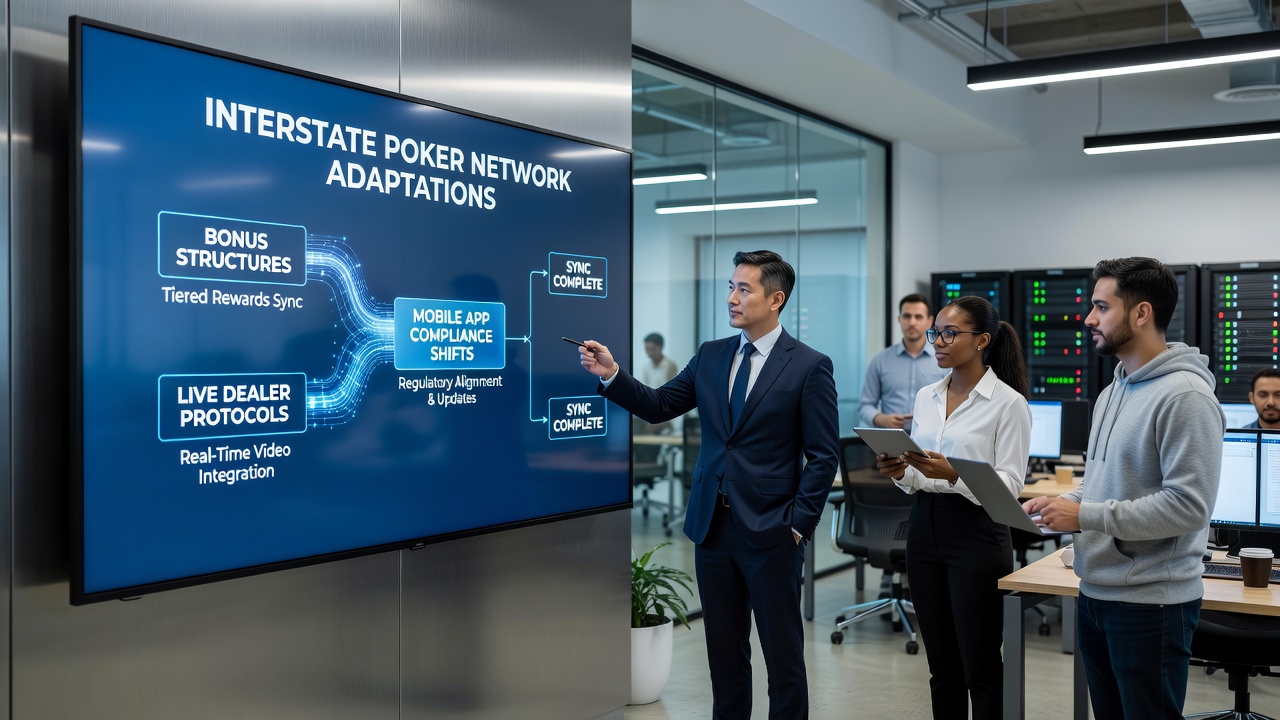
Interstate poker networks have adjusted their bonus structures to match live dealer protocols as mobile applications navigate updated compliance requirements across multiple states in June 2026. These changes reflect ongoing efforts by operators to maintain consistent player experiences while adhering to varying regulatory demands in jurisdictions that permit cross-border play. Data from the American Gaming Association indicates that synchronized promotional systems now cover over 70 percent of active interstate poker traffic.
Network Expansion and Regulatory Alignment
Operators managing multi-state poker platforms expanded their reach through shared liquidity arrangements that began gaining traction in prior years yet accelerated during early 2026 compliance reviews. States including New Jersey, Pennsylvania, and Michigan updated their mobile gaming frameworks to require tighter integration between promotional offers and real-time dealer interactions. This alignment ensures bonus credits activate only during verified live sessions rather than standalone digital table play.
Those who've examined the technical specifications note that platforms now embed protocol checks directly into bonus redemption code, which prevents mismatches that previously triggered compliance flags during routine audits. Research from iGaming Ontario shows similar synchronization patterns emerging in cross-provincial Canadian networks that share technological infrastructure with U.S. counterparts.
Bonus Structures and Live Dealer Protocol Integration
Bonus structures within these networks now tie directly to live dealer session metrics such as hand duration and table participation thresholds. A player who receives a deposit match must complete a set number of live dealer rounds before unlocking full withdrawal eligibility, a shift that mirrors protocol requirements introduced in updated mobile guidelines. This linkage reduces discrepancies between digital poker bonuses and live-streamed table offerings that operate under the same account ecosystem.

Platforms implement these features through modular code updates that allow regional operators to toggle specific rules without rebuilding entire applications. Observers note that this modular approach emerged after several networks encountered delays during March 2026 certification cycles when bonus and dealer systems operated on separate verification layers. The result has been smoother cross-state handoffs where a bonus earned in one jurisdiction remains valid when a player switches to a live dealer table hosted from another participating state.
Mobile App Compliance Adjustments
Mobile applications serving interstate poker traffic incorporated new verification layers that scan for protocol compliance before processing any promotional action. These checks run in the background during live dealer connections and flag accounts attempting to redeem bonuses outside approved session parameters. According to figures released by the New Jersey Division of Gaming Enforcement, mobile poker traffic subject to these checks increased by 22 percent between January and June 2026.
Developers addressed latency concerns by moving certain verification steps to edge servers located near major population centers, which keeps live dealer streams uninterrupted while still enforcing bonus synchronization rules. This technical adjustment proved necessary after early tests revealed that centralized verification could delay table actions by several seconds during peak hours.
Operational Examples Across Networks
One network operating across the Northeast corridor revised its welcome bonus to require a minimum of 30 live dealer hands within the first seven days, a change implemented in late May 2026 to meet new protocol standards. Another platform serving Midwestern states introduced tiered reload bonuses that scale according to the proportion of live dealer play versus automated tables. These adaptations emerged from collaborative working groups that included compliance officers from each participating state.
Industry reports compiled by the European Gaming and Betting Association highlight parallel developments in regulated markets where similar synchronization between bonus mechanics and live protocols reduced audit discrepancies by measurable margins. Such patterns suggest the approach may become standard practice as more jurisdictions finalize mobile gaming rules.
Conclusion
Interstate poker networks continue refining their systems to keep bonus structures aligned with live dealer protocols amid evolving mobile compliance demands. These adjustments, documented through regulatory filings and operational data in June 2026, demonstrate how technical and regulatory elements now operate as interconnected components rather than separate processes. The ongoing integration supports consistent play across state lines while meeting the specific requirements each jurisdiction places on promotional activity.