Linking Regional Regulatory Variations to Digital Poker Strategy Adaptations for Compliance
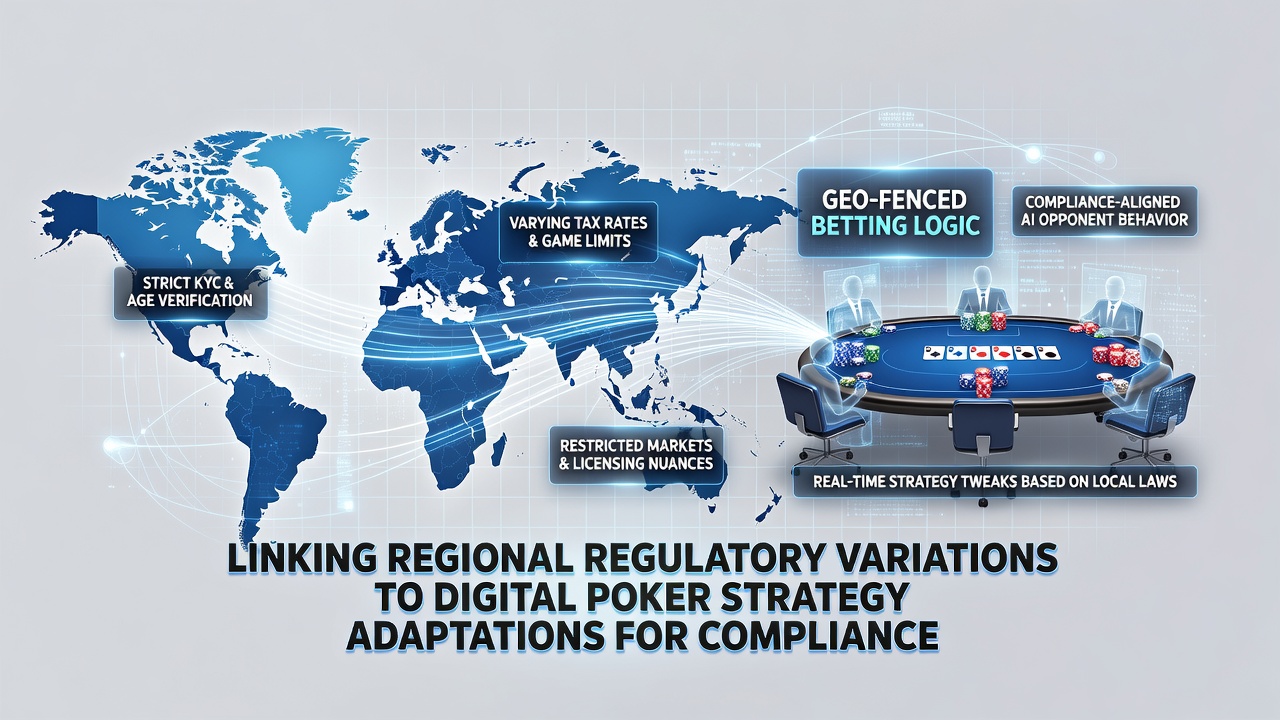
Regional differences in gaming regulations create distinct operational environments for digital poker platforms, and operators along with players adjust their approaches accordingly to maintain compliance while participating in online card rooms. These variations span licensing requirements, player verification protocols, game integrity standards, and restrictions on promotional activities across jurisdictions such as individual U.S. states and select international markets. Data from regulatory filings indicates that platforms operating in multiple regions implement location-specific filters and rule sets that directly influence betting patterns, table selection, and bankroll management tactics.
Observers note that in states with mature frameworks like New Jersey and Pennsylvania, strict oversight from bodies such as the New Jersey Division of Gaming Enforcement shapes how digital poker rooms structure rake calculations and tournament formats. Platforms must embed real-time geolocation checks and session limits that prompt users to adapt their session durations and stake levels to avoid automated flags. Research from industry reports shows these embedded controls lead many participants to favor shorter, lower-variance games during peak regulatory audit periods, typically identified through public compliance announcements released each quarter.
State-Level Variations Driving Tactical Shifts
California and Michigan present contrasting approaches where tribal compacts and state statutes impose different deposit thresholds and withdrawal timelines, forcing digital poker users to recalibrate their funding schedules. In regions enforcing daily loss caps, players often consolidate activity into fewer tables with higher buy-ins to maximize hands played before limits trigger, whereas jurisdictions without such caps allow more distributed play across multiple sessions. Figures from the American Gaming Association reveal that interstate poker networks experienced a 12 percent uptick in multi-state account registrations during the first half of 2026, correlating with refined API integrations that sync compliance rules across borders.
What's interesting is how these rules extend to bonus structures and loyalty programs, where eligibility criteria differ sharply between states. Platforms serving both regulated and compact-based markets deploy dynamic eligibility engines that restrict certain promotions based on IP address and account history, prompting experienced participants to maintain separate profiles or adjust timing of deposits to align with available offers in each region.
International Regulatory Contrasts and Platform Responses
Beyond U.S. borders, frameworks in places like the Australian Capital Territory and certain Canadian provinces introduce additional layers through mandatory responsible gaming modules and cross-border transaction reporting. Operators licensed under these systems integrate mandatory cooling-off periods that alter long-term strategy planning, encouraging users to front-load aggressive plays before enforced breaks begin. According to data compiled by the Canadian Gaming Association, poker traffic in provincially regulated apps shifted toward heads-up formats in early 2026 as players sought to complete more decisive hands within shorter active windows.
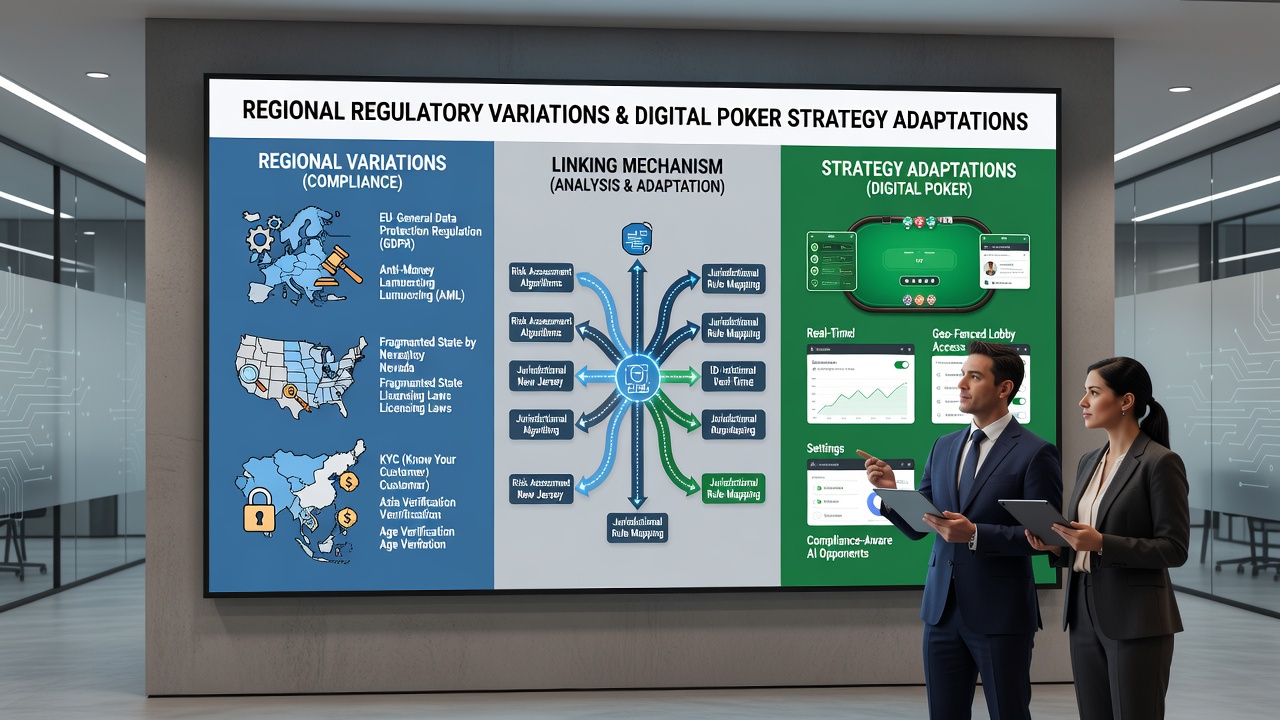
June 2026 saw several platforms roll out enhanced API updates following new guidance from the Nevada Gaming Control Board on algorithmic fairness testing, which indirectly affected how multi-state networks handle hand histories and RNG certifications. Those adaptations encouraged users to incorporate more frequent strategy reviews using platform-provided analytics tools that flag potential compliance deviations before they accumulate.
Practical Adaptations in Play Patterns
Take one network that noticed increased scrutiny on collusion detection algorithms in stricter jurisdictions; the platform responded by tightening table chat restrictions and adjusting seating algorithms, which in turn led participants to adopt more conservative pre-flop ranges when playing across state lines. Evidence from compliance audits indicates these changes reduced flagged sessions by measurable margins while preserving overall engagement levels. People who've navigated these environments often discover that maintaining detailed personal logs of regulatory updates helps them anticipate when certain game types become temporarily restricted or when verification steps intensify.
But here's the thing: these adjustments aren't limited to individual players. Network operators themselves modify matchmaking systems to segregate traffic based on jurisdictional risk profiles, creating parallel player pools that operate under distinct rule overlays. This segmentation influences everything from average pot sizes to the frequency of all-in confrontations observed in aggregated data streams.
Conclusion
Regional regulatory variations continue to shape the operational landscape for digital poker, prompting both platforms and participants to refine their methods in response to evolving compliance demands. As licensing bodies release updated guidelines and technology providers deliver new integration tools, the connections between legal frameworks and strategic choices remain central to sustained participation across borders. Observers tracking these developments note that ongoing refinements in verification and reporting systems will likely sustain this pattern of adaptive responses well into subsequent reporting periods.