Patterns in Poker Room Software Updates Driven by Evolving Interstate Gambling Agreements Across the United States
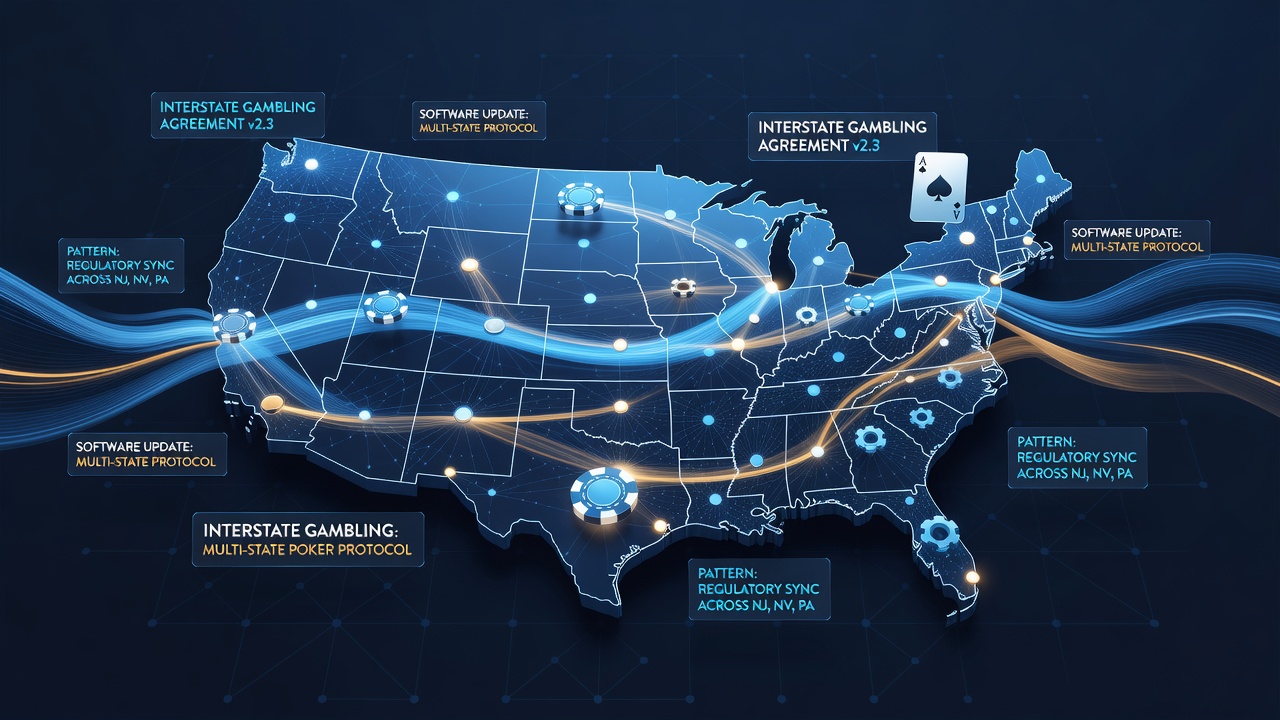
Interstate gambling agreements have reshaped how poker room operators manage digital platforms since the first major compacts emerged in the early 2020s, and software developers respond by releasing targeted updates that accommodate shared player pools across state lines. These agreements, which permit operators in participating states to combine liquidity while maintaining separate regulatory oversight, require frequent modifications to verification systems, geofencing protocols, and transaction processing modules.
Early Compacts Set the Stage for Technical Adjustments
States including New Jersey and Pennsylvania established the initial framework in 2021 when regulators approved reciprocal access for online poker players, and software vendors quickly adjusted backend systems to handle cross-border traffic without violating individual state rules. Developers integrated real-time location checks that reference both home-state databases and compact partner lists, while account management tools began syncing player histories across jurisdictions to prevent duplicate registrations. Observers note that these early changes focused primarily on compliance layers rather than user interface redesigns, yet the updates established patterns that later agreements would expand upon.
Expansion Through 2025 and Into June 2026
Additional states joined existing compacts during 2025, and Michigan plus West Virginia formalized connections that required operators to deploy new data-sharing APIs by early 2026. By June 2026 several major poker platforms had completed another round of updates that incorporated automated reporting functions for multi-state tax calculations, along with enhanced encryption standards that align with the strictest requirements among compact members. Data from state gaming agencies shows that these releases addressed latency issues arising from increased traffic volumes, while also introducing modular code structures that allow faster integration when future states sign on. Researchers tracking these developments point to consistent timing patterns, with major updates clustering around legislative session ends when new agreements receive final approvals.
Recurring Technical Patterns Across Platforms
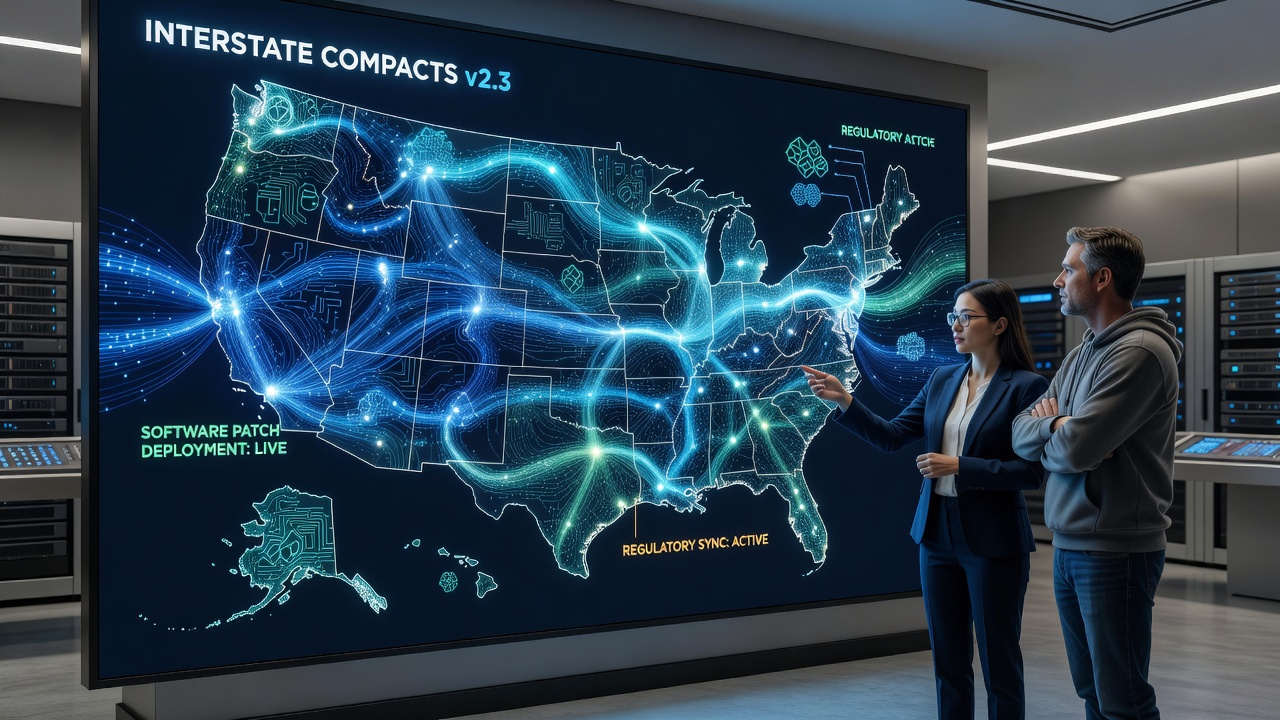
Software updates driven by interstate agreements repeatedly emphasize three core areas: identity verification layers that cross-reference multiple state exclusion lists, dynamic geofencing engines capable of switching between single-state and multi-state modes, and liquidity management algorithms that allocate pots according to each participating regulator's formulas. Developers have adopted containerized architectures that isolate state-specific rules within shared environments, which reduces the need for complete system overhauls when a new compact takes effect. Industry reports indicate that platforms serving four or more states now deploy these updates on quarterly cycles, compared with annual releases common before widespread interstate cooperation began.
Regulatory Reporting and Security Enhancements
Compact agreements mandate detailed audit trails for player funds moving between states, and poker room software now includes automated export tools that format data for each participating gaming commission. Security patches often accompany these reporting upgrades because expanded networks increase exposure to coordinated fraud attempts, while encryption standards evolve to meet the highest threshold required by any single member state. Those who monitor release notes from major providers observe that June 2026 updates included refined multi-factor authentication flows that accommodate both mobile and desktop sessions without disrupting cross-state play sessions.
Case Examples From Active Networks
One established network connecting New Jersey, Pennsylvania, and Michigan rolled out a unified wallet system in spring 2026 that automatically applies state-specific responsible gaming limits based on a player's registered location. Another platform serving emerging western state agreements introduced real-time balance reconciliation features that prevent settlement disputes when players switch between connected rooms during the same session. These implementations demonstrate how agreements drive not only compliance adjustments but also operational efficiencies that operators then standardize across all markets.
Looking Ahead as More States Consider Participation
Legislative proposals in additional states continue to reference existing compact models, and software vendors prepare by maintaining flexible codebases that support variable tax rates and fee structures. Analysts tracking adoption rates note that platforms with the most adaptable architectures gain quicker approvals when new states enter negotiations, which creates an incentive for ongoing modular development practices. The pattern suggests that future updates will focus increasingly on interoperability standards rather than isolated state-by-state customizations.
Conclusion
Interstate gambling agreements have established clear rhythms for poker room software evolution, with updates clustering around new compact signings and emphasizing verification, reporting, and liquidity tools that scale across jurisdictions. As additional states evaluate participation through mid-2026, developers maintain readiness through modular designs that accommodate regulatory variations without requiring full platform rebuilds. These technical responses reflect the ongoing integration of state-level oversight within shared poker ecosystems.