State Mandates Shaping Algorithmic Features in Digital Reel Games to Support Player Protection Standards

State regulators across the United States have directed game developers to embed specific controls directly into the random number generators and payout structures of digital reel games, and these requirements aim to limit session length while enforcing spending caps at the code level. Data from multiple licensing bodies shows that operators must now configure reel algorithms to trigger mandatory pauses once predefined thresholds for time or losses are reached, which integrates player protection into the core mechanics rather than relying solely on separate account settings.
Regulatory Frameworks Driving Algorithm Changes
Legislation in states such as New Jersey and Pennsylvania now requires digital reel platforms to adjust volatility parameters so that rapid consecutive losses become statistically less likely within short time windows, and these rules took effect after reviews conducted through early 2026. The Nevada Gaming Control Board has published technical standards that mandate integration of real-time loss tracking modules into every approved reel title, which forces the algorithm to reduce bet sizing options automatically once a player approaches state-defined daily limits. Observers note that similar provisions appear in Michigan and West Virginia regulations, where game certification processes include audits of the code responsible for enforcing reality checks that interrupt play without player-initiated input.
Technical Adjustments in Reel Mechanics
Developers respond to these mandates by modifying the weighting of symbol distributions and bonus trigger frequencies within the RNG sequences, and this produces longer average session durations before hitting the enforced break points. Research from the National Council on Problem Gambling indicates that states adopting these algorithmic interventions recorded measurable declines in the frequency of high-velocity betting patterns during the first quarter of 2026. Game engines now incorporate state-specific flags that activate different protection layers depending on the player's registered jurisdiction, which allows a single title to comply with varying rules without requiring separate builds for each market.
Implementation often involves partnerships between software providers and testing laboratories that verify the code executes protection triggers correctly under simulated high-volume play conditions. Those laboratories submit reports confirming that features such as progressive loss caps cannot be bypassed through rapid account switching or device resets, and this verification step occurs before any title receives final approval for distribution on licensed platforms.
Enforcement Patterns Observed in 2026
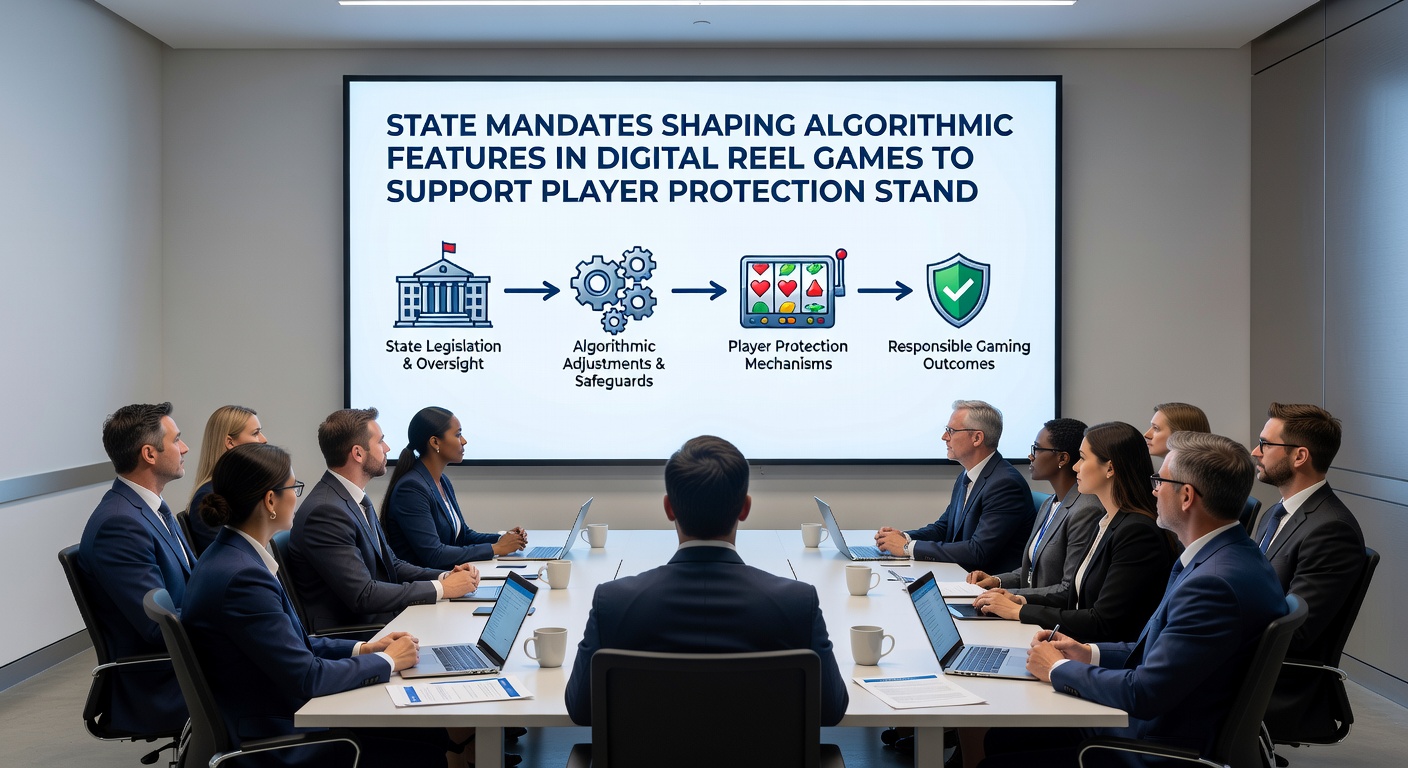
By May 2026 several additional states had aligned their technical standards with the model framework developed by the Association of Gaming Equipment Manufacturers, which outlines minimum requirements for embedding protection logic into reel algorithms. Compliance audits conducted during this period revealed that operators adjusted bonus round frequencies downward in jurisdictions with stricter loss-limit rules, and this change occurred without altering advertised return-to-player percentages. Data shows that titles deployed after these updates maintained consistent mathematical fairness while routing players into cooling periods more consistently than earlier versions.
Operators report that integration of these features required updates to backend servers responsible for session monitoring, and the changes allow regulators to receive anonymized logs that confirm algorithmic adherence to mandated thresholds. Figures released by the New Jersey Division of Gaming Enforcement reveal that over 180 reel titles underwent recertification in the first four months of 2026 to meet the new embedded control specifications.
Cross-Border Comparisons and Industry Response
Canadian provincial regulators in Ontario have implemented comparable requirements that affect reel titles offered to cross-border players through shared platforms, and these rules emphasize algorithmic detection of escalating bet patterns followed by automatic stake reductions. Industry reports from the Canadian Gaming Association document how operators adapted their RNG libraries to satisfy both U.S. state mandates and Ontario standards within unified codebases. Australian state commissions have similarly directed developers to include mandatory feature pauses, which creates additional pressure on multinational suppliers to maintain flexible algorithmic modules that respond to different jurisdictional flags.
Software updates rolled out in spring 2026 included refined detection routines that identify when players attempt to circumvent limits through multiple concurrent sessions, and these routines trigger immediate account-level interventions. Testing data confirms that such layered protections operate without introducing measurable latency into the reel spin cycle, which preserves the intended pace of play while satisfying regulatory oversight.
Conclusion
State mandates continue to influence the precise configuration of random number generators and bonus systems in digital reel games, and these directives produce measurable shifts in how protection standards function at the algorithmic level. Ongoing certification processes ensure that new titles incorporate the required controls before reaching licensed markets, while existing games receive updates that align with evolving specifications. The result is a regulatory environment in which player protection operates as an intrinsic component of game design rather than an external overlay.