Tracing Cryptocurrency Integration Challenges Across Varying State Gambling Regulations
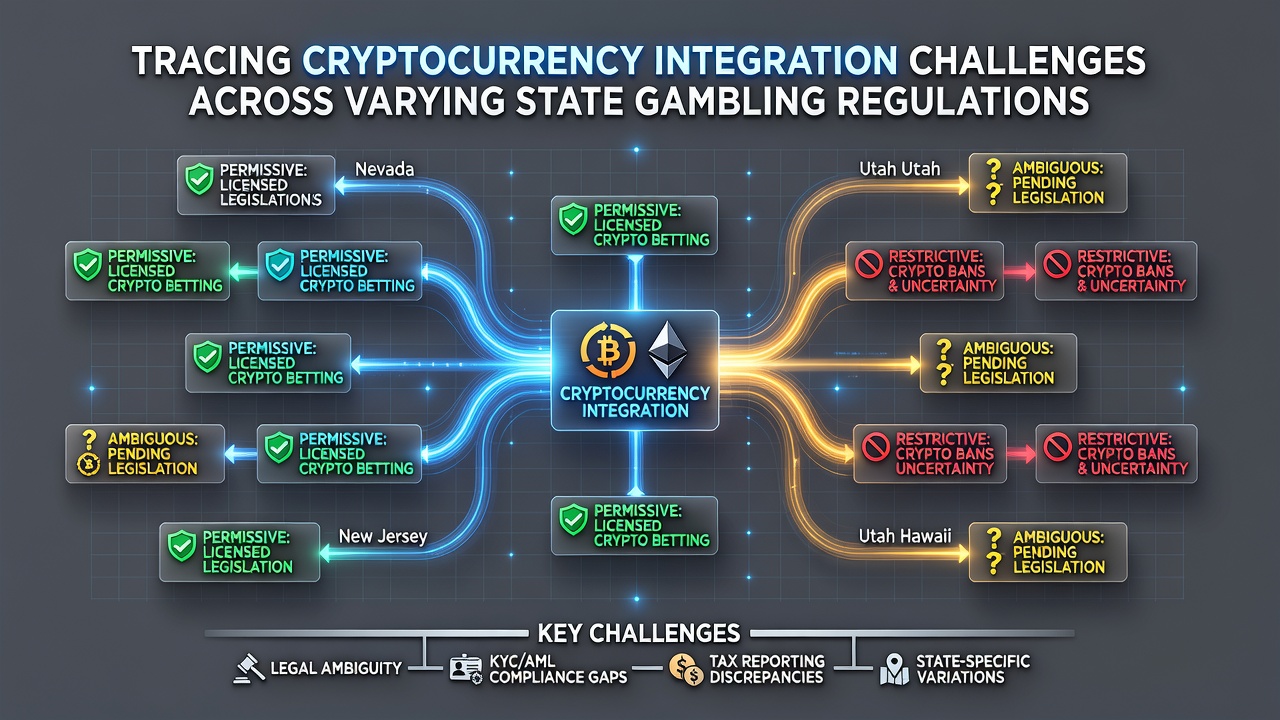
State gambling regulations create a fragmented environment where cryptocurrency adoption faces distinct hurdles tied to payment processing rules, licensing requirements, and enforcement priorities that differ sharply from one jurisdiction to another. Operators attempting to introduce digital assets must navigate these layers while maintaining compliance with existing frameworks that were largely designed before blockchain technologies gained traction in betting markets.
State-by-State Regulatory Divergence Shapes Crypto Options
Legal sports betting and online casino markets operate under frameworks that either explicitly permit, restrict, or remain silent on cryptocurrency use, and this patchwork forces platforms to customize their payment rails accordingly. In states where statutes reference only traditional financial instruments, adding crypto requires formal amendments or interpretive guidance from gaming control boards before deployment can proceed. Data from regulatory filings shows that jurisdictions with mature iGaming programs tend to impose stricter wallet verification standards compared to those still expanding their sports betting footprints.
Observers note that approval timelines vary significantly, with some states completing reviews within months while others extend deliberations over multiple quarters as they assess anti-money laundering alignments. Those who track legislative sessions find that bills addressing digital currency in gambling often stall when competing priorities emerge around consumer protection or tax revenue allocation.
Compliance Mechanisms and Verification Demands
Know-your-customer protocols intersect with blockchain transaction tracing tools in ways that demand specialized software capable of monitoring wallet addresses across multiple chains. Regulators in several states now require operators to integrate blockchain analytics providers that flag high-risk addresses before funds reach player accounts. This integration adds operational costs and requires ongoing staff training to interpret alerts generated by these systems.
Research indicates that states with established responsible gaming mandates apply similar standards to crypto deposits as they do to credit card transactions, including session limits and self-exclusion list checks. Platforms must therefore synchronize their crypto gateways with existing player management databases to avoid violations during routine audits.
Technical and Infrastructure Barriers in Practice
Geofencing requirements become more complex when cryptocurrency transactions originate from decentralized networks that do not inherently carry location data. Developers address this through additional verification layers such as IP cross-checks combined with device fingerprinting, yet these measures introduce latency that affects user experience during live betting events. Studies from industry technology providers reveal that multi-state operators maintain separate crypto liquidity pools for each regulated market to prevent commingling of funds that could trigger enforcement actions.
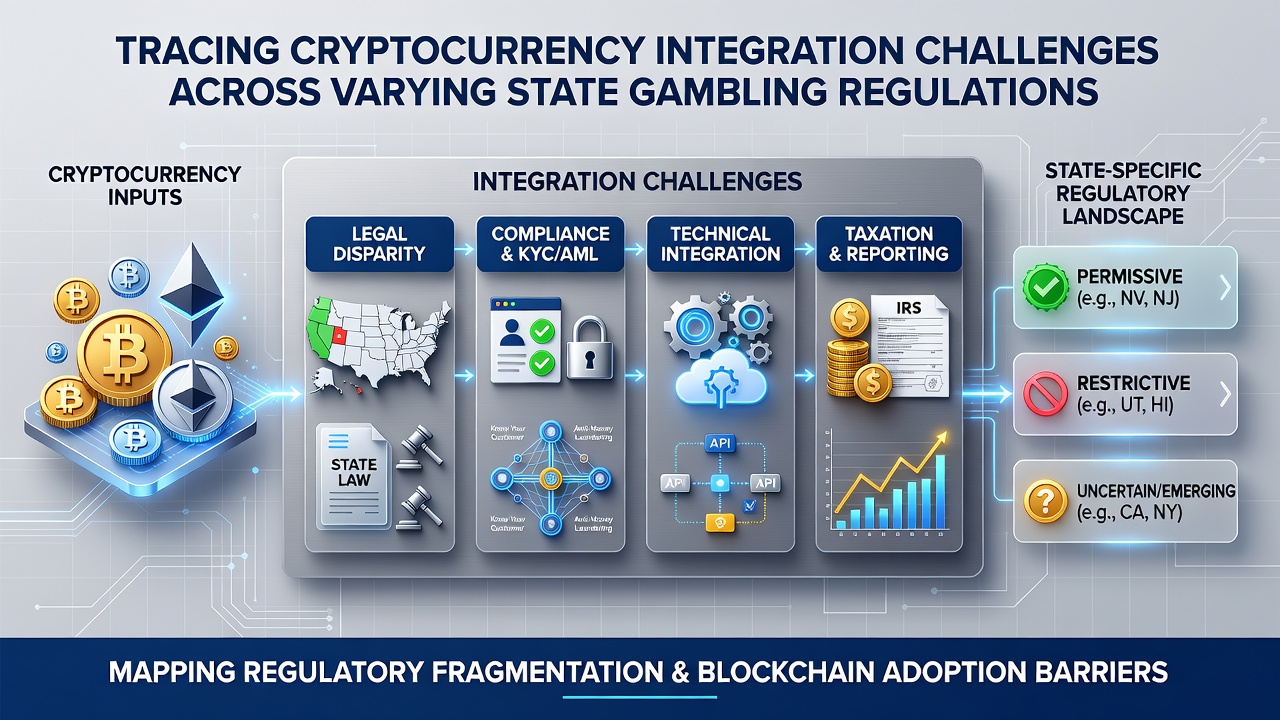
Payment processor partnerships also present constraints since many traditional banking institutions still hesitate to handle crypto-related gambling settlements. Operators therefore rely on licensed money transmitters or specialized fintech firms that have secured state-level approvals, which limits the number of viable partners available for rapid expansion.
Developments Through Mid-2026 and Emerging Patterns
By June 2026, several state gaming commissions had issued updated guidance documents clarifying the conditions under which stablecoins could be accepted as wagering instruments. These updates typically reference existing federal Bank Secrecy Act obligations while adding state-specific reporting thresholds for large crypto transfers. Figures released by the American Gaming Association show gradual increases in licensed operators testing crypto features in pilot programs within approved markets.
Meanwhile, academic researchers at institutions such as the University of Nevada, Las Vegas have examined transaction datasets from early-adopting platforms to identify patterns in player behavior across different regulatory environments. Their findings highlight how states with clearer crypto pathways experience higher testing volumes, whereas stricter jurisdictions see slower uptake even when demand exists among certain demographics.
Conclusion
The ongoing process of aligning cryptocurrency features with state gambling regulations continues to require coordinated efforts between operators, technology vendors, and regulatory bodies. Each jurisdiction's unique combination of statutes, enforcement practices, and technical standards creates distinct integration paths that demand careful mapping before full-scale deployment. As more states refine their positions, the cumulative effect shapes which digital asset solutions become viable across the broader US market.