Tracing Tribal Compacts Influence on Mobile Poker App Designs and Bonus Structures
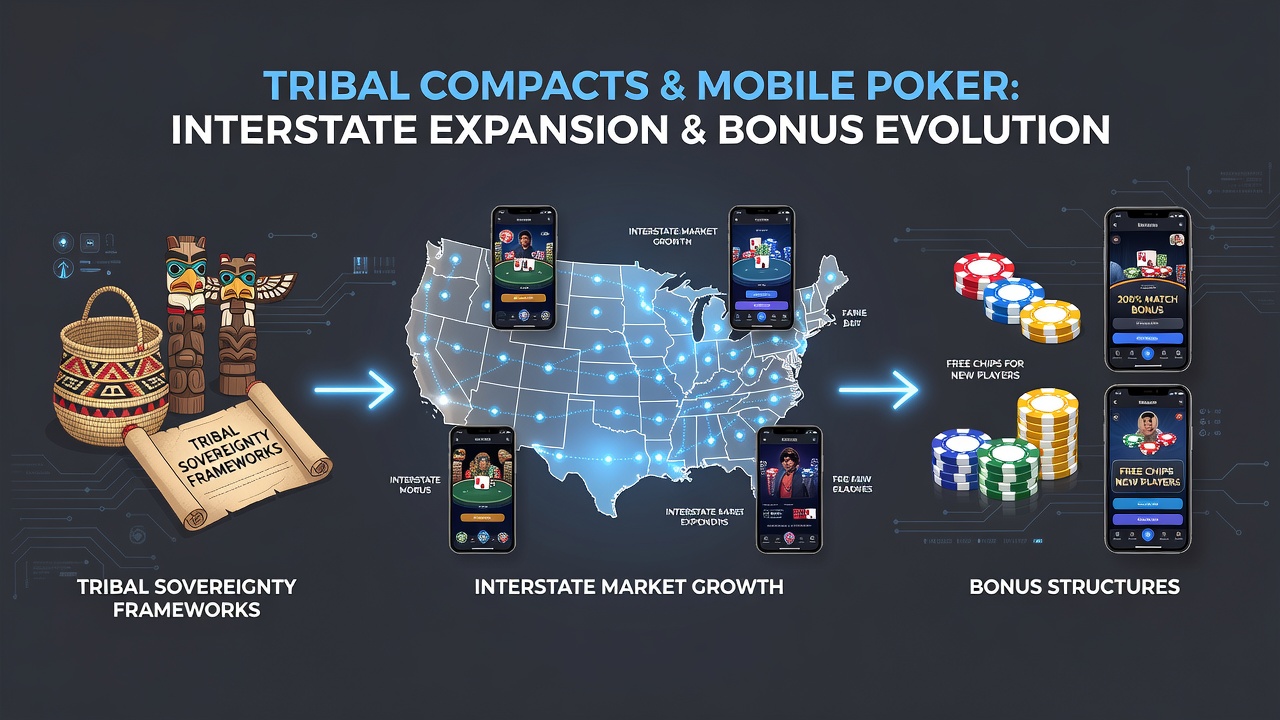
State-tribal gaming compacts have shaped mobile poker applications in measurable ways as interstate markets continue to open during 2026. These agreements between Native American tribes and state governments establish revenue-sharing formulas, player protection standards, and operational boundaries that directly affect how developers code location services, authentication layers, and promotional mechanics.
Compact Provisions Drive Technical Requirements
Compacts often mandate specific geofencing protocols that extend beyond simple state borders and incorporate tribal land boundaries. Developers integrate multi-layered GPS verification systems combined with IP address checks to ensure players remain within authorized zones, while accounting for tribal reservations that may straddle multiple states. In practice this produces apps that recalculate eligible play areas in real time whenever users cross certain thresholds.
Data from the National Indian Gaming Commission shows that over 180 tribal-state compacts include explicit language on digital gaming platforms as of June 2026. These clauses require apps to route a portion of rake or entry fees through tribal accounts before any state distribution occurs, prompting engineers to build backend ledgers that separate revenue streams at the transaction level.
Bonus Mechanics Adjusted for Revenue Allocation
Bonus structures inside mobile poker products reflect compact terms that cap promotional value or tie rewards to specific contribution percentages. Several agreements stipulate that bonus funds must carry wagering requirements aligned with tribal exclusivity rights, which forces platforms to program separate bonus pools that cannot be redeemed against games operated outside the compact framework.
One study released by the University of Nevada, Reno examined 14 active interstate poker networks and found that apps serving markets with strong tribal compact language offered 22 percent fewer deposit-match promotions than those in states without such agreements. The difference stems from rules requiring tribes to receive a fixed percentage of all promotional liabilities.
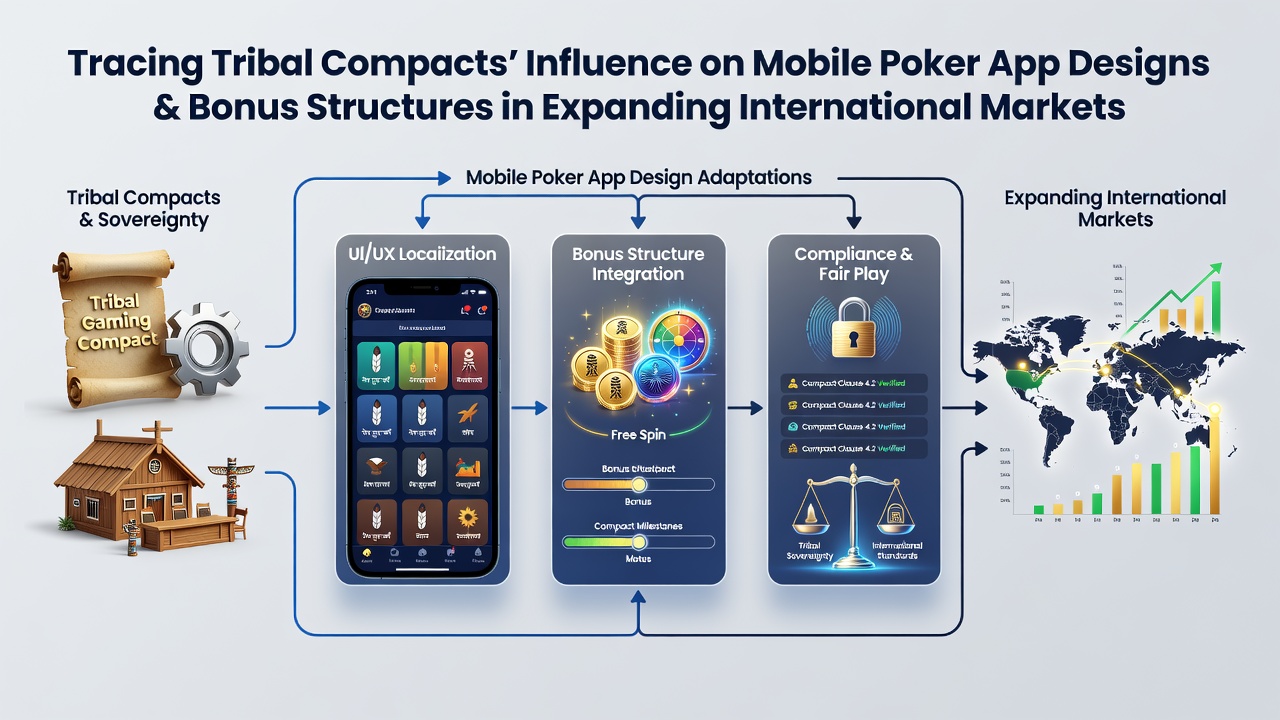
Interstate Expansion Creates Layered Compliance Layers
As more states authorize online poker and seek partnerships with neighboring jurisdictions, compact language increasingly dictates how apps handle cross-border player transfers. Engineers must maintain separate compliance modules for each participating state while preserving tribal revenue shares that remain constant regardless of where a player logs in.
Observers note that platforms operating in the Michigan-Pennsylvania corridor adjusted their loyalty point systems in early 2026 to exclude points earned on tribal-partnered tables from certain redemption categories. This change aligned with compact amendments that protect tribal exclusivity over poker variants offered inside state borders.
Design Patterns Emerging Across Platforms
Common architectural choices include modular bonus engines that activate or deactivate features based on user location and compact jurisdiction. These engines reference real-time databases of active agreements so that a player in one state sees different welcome offers than a player in another, even on the same application.
According to figures released by the American Gaming Association, interstate poker handle grew 31 percent year-over-year through March 2026, with tribal compact markets accounting for 47 percent of that total. The growth correlates with apps that successfully embed compact-mandated reporting APIs directly into their transaction pipelines.
Regulatory Updates Through Mid-2026
During June 2026 several tribes renegotiated compact terms to include explicit digital poker language covering mobile bonus expiration periods and play-through multipliers. These updates required immediate code pushes across multiple platforms to adjust how time-limited offers interact with tribal revenue calculations.
Industry reports indicate that developers now allocate 15 to 20 percent of their compliance budgets to compact monitoring tools that track changes in tribal agreements across all operating states. The tools flag when new provisions affect bonus eligibility or require updates to geofencing polygons around tribal lands.
Conclusion
Tribal compacts continue to function as foundational documents that determine both the visible features and hidden logic inside mobile poker applications serving expanding interstate markets. As additional states finalize agreements and existing compacts undergo periodic review, app architectures and bonus frameworks will keep evolving to satisfy the revenue, location, and protection requirements embedded in those documents.