Unpacking Demographic Targeting Algorithms That Shape Promotional Structures Inside Regulated Interstate Betting Networks
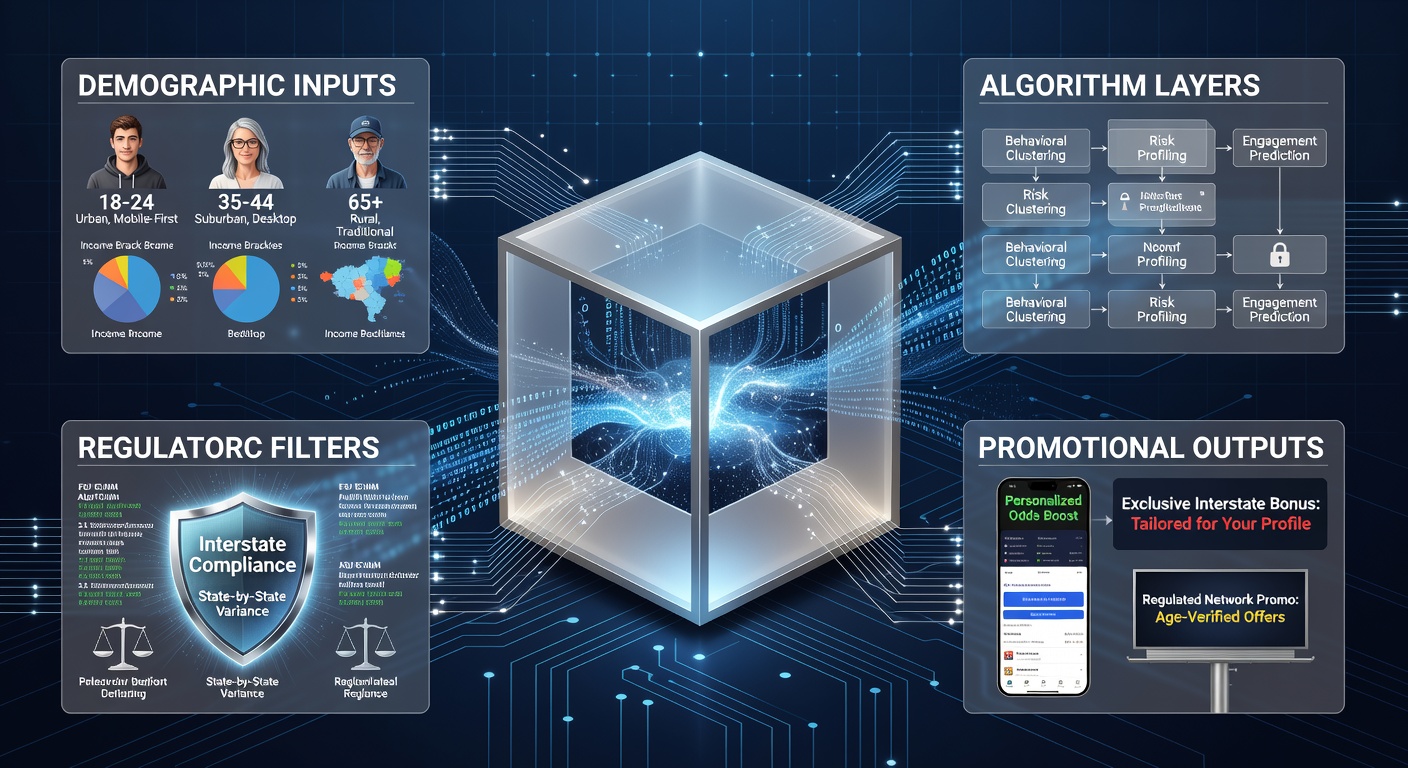
Regulated interstate betting networks rely on demographic targeting algorithms to refine how operators deliver promotions across multiple jurisdictions, and these systems draw from user data that includes age brackets, geographic signals, and historical wagering patterns. Operators integrate these tools with compliance layers required by state gaming commissions, which means every promotional offer must align with local responsible gaming rules while still responding to observed user segments.
How Data Inputs Feed Algorithmic Models
Platforms collect signals from device locations, account registration details, and session behaviors to build profiles that algorithms then segment into categories such as young adults in urban markets or established users in suburban regions. These categories drive decisions on bonus structures, deposit match percentages, and free bet values that appear inside mobile apps. Because interstate agreements allow operators licensed in one state to accept wagers from users in partner states, the same underlying model often adjusts outputs based on each jurisdiction's age verification thresholds and advertising restrictions.
Research from the University of Nevada, Reno's gaming studies program shows that models trained on aggregated transaction logs can predict which demographic clusters respond to time-limited reload bonuses versus cashback offers tied to specific sports leagues. The models update continuously as new data arrives, yet they must pass periodic audits that verify exclusion lists for self-excluded players remain untouched by promotional logic.
Regulatory Guardrails Across State Lines
State laws enacted after the 2018 Supreme Court decision require operators to maintain separate promotional ledgers for each licensed market, and demographic algorithms incorporate these boundaries as hard constraints. When an algorithm identifies a cluster of users aged 25-34 in a state with strict deposit limits, it routes offers through a filtered pathway that caps maximum bonus amounts automatically. Observers note that this architecture prevents accidental violations while still allowing operators to test creative structures such as parlay insurance or live-betting credits within permitted ranges.
Data released by the New Jersey Division of Gaming Enforcement in early 2026 indicated that operators using segmented targeting achieved higher redemption rates on compliant offers compared wth blanket promotions distributed before algorithmic segmentation became standard. Similar patterns appear in reports from the Michigan Gaming Control Board, where cross-state operators must reconcile differing tax treatments on promotional credits before algorithms finalize payout calculations.
Promotional Structures Shaped by Demographic Signals
Algorithms prioritize certain offer types for specific cohorts because historical performance data reveals consistent differences in engagement. Users in higher-income zip codes often receive invitations to VIP loyalty tiers with personalized odds boosts, whereas younger cohorts see more frequent micro-bonuses tied to mobile deposits. These distinctions emerge from multivariate regression models that weigh factors including average bet size, preferred sports, and time-of-day activity patterns.

Operators also embed responsible gaming parameters directly into the targeting logic so that any user flagged by spending velocity triggers receives reduced promotional intensity rather than escalated incentives. This integration satisfies requirements set by the Canadian Centre on Substance Use and Addiction, which publishes guidelines adopted by several U.S. multistate operators for harmonizing cross-border practices. The result is a promotional calendar that shifts month to month as demographic clusters migrate between risk tiers or as new state compacts expand the available user base.
Technical Architecture and Compliance Testing
Most regulated platforms run these algorithms inside isolated cloud environments that log every decision for later review by independent testing labs. The labs examine whether demographic inputs correlate with prohibited targeting, such as offers directed at recently self-excluded accounts or users below the legal age in any participating state. When anomalies surface, operators must retrain the model and submit updated documentation before resuming targeted campaigns.
By June 2026 several multistate operators had begun publishing transparency summaries that detail the number of demographic segments active in their systems and the share of total promotional volume allocated to each segment. These summaries help regulators verify that no single demographic receives disproportionate exposure that could conflict with public health objectives outlined in state statutes.
Conclusion
Demographic targeting algorithms continue to evolve within the constraints of interstate compacts and state-specific mandates, producing promotional structures that adapt in real time to both user behavior and regulatory requirements. The systems balance commercial objectives with mandatory safeguards by embedding compliance rules into the core logic rather than applying them after offers are generated. As additional states finalize data-sharing agreements, the same algorithmic frameworks are expected to incorporate new jurisdictional variables without disrupting existing segmentation models.