Unveiling Biometric Authentication Pathways in Interstate Wagering Networks
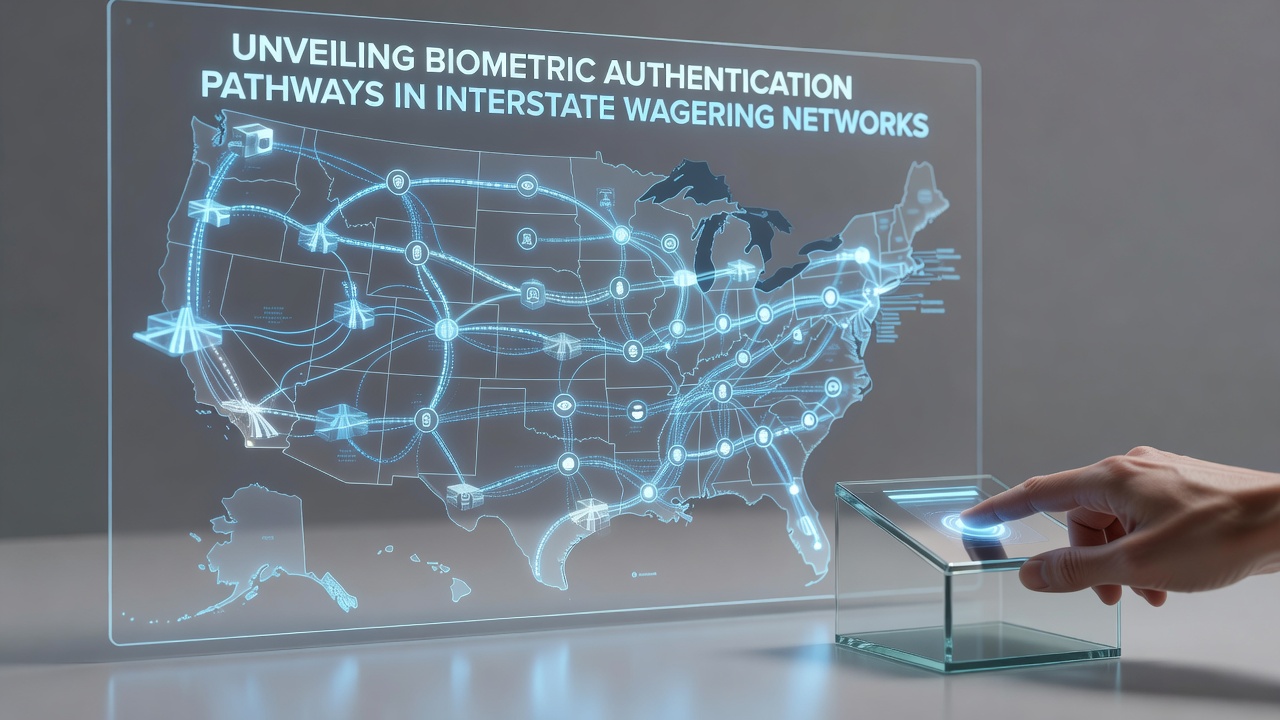
Biometric authentication pathways in interstate wagering networks connect user identity verification systems across multiple state jurisdictions, allowing operators to maintain compliance while processing bets in real time. These pathways integrate hardware sensors, software algorithms, and regulatory databases to confirm that individuals meet age and location requirements before accessing platforms. Data from industry reports indicates that operators began expanding these systems significantly after 2024, wth further refinements noted through June 2026 as states updated their digital verification standards.
Core Components of Biometric Pathways
Facial recognition, fingerprint scanning, and voice analysis form the primary entry points in these networks, each feeding into centralized identity management hubs that cross-reference information against state-issued records. Operators deploy these tools through mobile applications where users complete an initial enrollment process that captures multiple data points, then links them to account profiles for subsequent logins. Research from the Biometrics Institute shows enrollment accuracy rates exceeding 98 percent when systems combine at least two modalities, such as face and fingerprint, during interstate transfers.
Pathways operate through secure APIs that transmit encrypted biometric templates rather than raw images, reducing storage risks while enabling quick matches against previously verified profiles. When a user crosses state lines, the system queries geolocation data alongside biometric confirmation to determine eligibility under the specific rules of the destination jurisdiction. This layered approach supports seamless transitions in networks spanning states like New Jersey, Pennsylvania, and Michigan, where regulations require distinct verification thresholds.
Integration with State Regulatory Frameworks
Each state maintains its own database linkages, so pathways must accommodate variations in data-sharing protocols and privacy rules. In June 2026, several Midwestern states implemented updated API requirements that mandate real-time biometric re-verification for sessions lasting longer than 30 minutes. These changes align with broader efforts to synchronize authentication standards across the Interstate Wagering Compact, an agreement that facilitates data exchange between participating regulatory bodies.
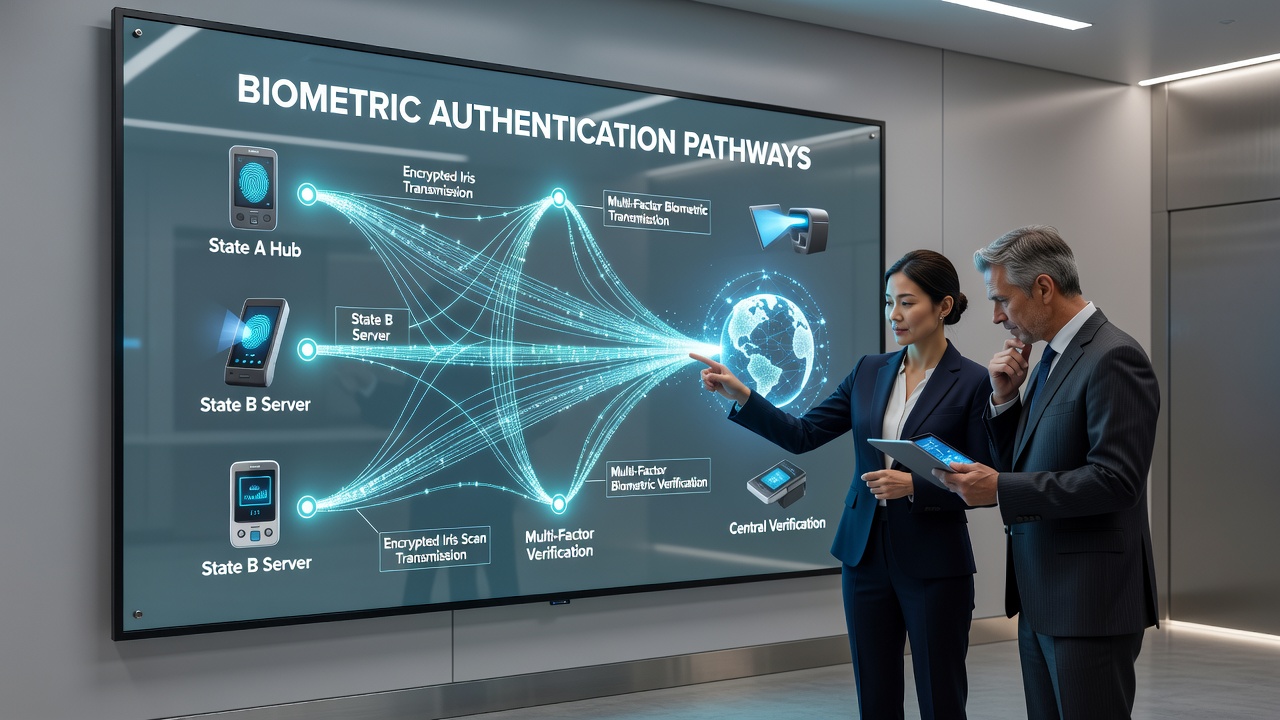
Technical flows typically begin at the device level, move through operator servers for initial matching, and conclude with queries to state-controlled identity repositories. When discrepancies arise, such as mismatched location signals, the pathway triggers additional checks like secondary voice prompts before granting access. Observers note that this design minimizes downtime while preserving audit trails required for compliance reporting.
Technical Flow and Data Handling
The process unfolds in sequential stages where biometric capture occurs first, followed by template generation and comparison against stored records. Templates travel via encrypted channels to regional hubs that interface with multiple state systems simultaneously. One study conducted by researchers at the University of Nevada Reno examined these flows and found average verification times under 1.5 seconds across tested interstate connections, with fallback protocols activating in less than 0.3 percent of cases.
Storage practices emphasize template deletion after session completion in several jurisdictions, though others retain anonymized metadata for pattern analysis. This variation requires pathway architects to build flexible retention rules that adjust based on the user's detected location. Industry organizations such as the Interactive Gaming Council have documented how these adjustments reduce cross-border friction without compromising security standards.
Examples from Operational Networks
Platforms operating across the Northeast corridor demonstrate one practical application, where users verified in New York can transition to Connecticut sessions through a single biometric confirmation that references both states' databases. Similar setups appear in the Southwest, where Arizona and Colorado operators share template-matching resources to handle seasonal population shifts. These examples illustrate how pathways scale to accommodate volume spikes during major sporting events without requiring full re-enrollment.
Hardware advancements play a supporting role as newer smartphones incorporate higher-resolution sensors that improve template quality. Data indicates that adoption of these devices among wagering users reached 72 percent by early 2026, correlating with fewer authentication failures during peak hours. Operators continue to refine algorithms to handle diverse lighting conditions and device variations that occur in real-world interstate scenarios.
Emerging Developments as of June 2026
Updates in June 2026 introduced enhanced encryption standards for biometric templates transmitted between states, prompted by collaborative testing among regulatory agencies in the West and South. These standards incorporate quantum-resistant protocols that prepare networks for future computational threats. Parallel efforts focus on expanding voice biometrics for hands-free verification in vehicle-based mobile environments, where drivers access platforms through approved in-car systems.
Testing programs in select markets have evaluated iris scanning as a supplementary option for high-value accounts, though implementation remains limited to voluntary user opt-ins. Figures released by regional gaming associations reveal steady growth in biometric session initiations, climbing 14 percent year-over-year through the first half of 2026. Such metrics reflect ongoing pathway optimization rather than new user acquisition alone.
Conclusion
Biometric authentication pathways continue to evolve as interstate wagering networks expand their geographic reach and technical capabilities. The combination of multi-modal verification, state-specific linkages, and encrypted data flows creates systems that balance access speed with regulatory adherence. Developments observed through June 2026 underscore the ongoing refinement of these pathways as operators and regulators adapt to changing device ecosystems and jurisdictional requirements. Continued documentation from industry groups and academic sources provides visibility into how these systems function across diverse operational contexts.